Human Skills Workshop
Human Skills Workshop
Exclusive and prized, this workshop offers first-class training in the most vital of all skills : Social Skills (also called Human Skills).
Exclusive and prized, this workshop offers first-class training in the most vital of all skills : Social Skills (also called Human Skills).
“Nobody is Born Shy”
“Nobody is Born Shy”
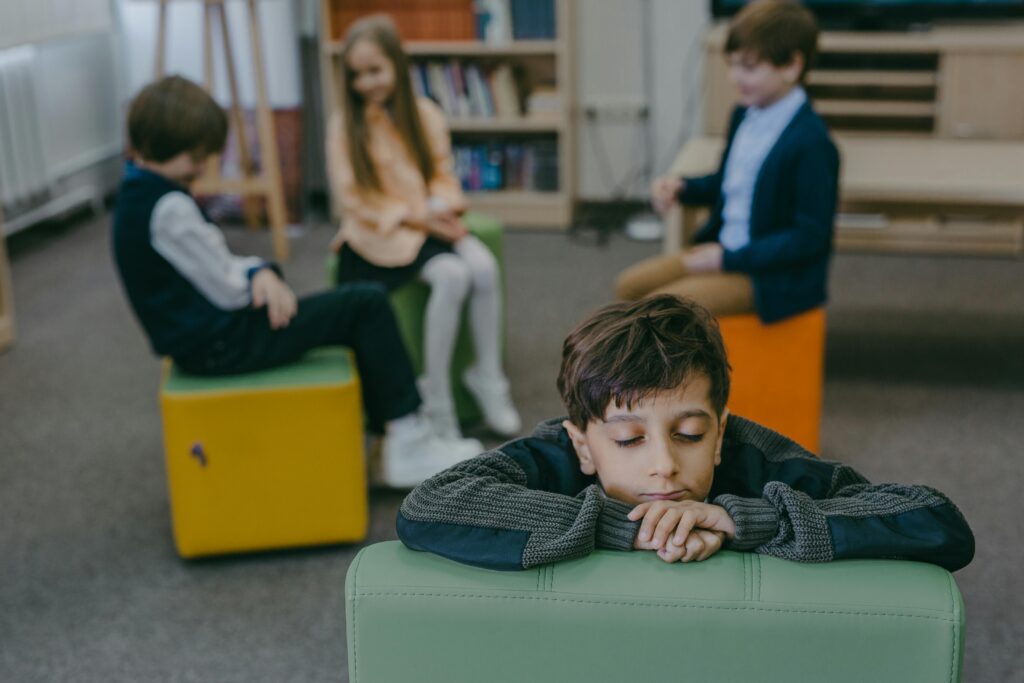
Research
1. On Parents :
Over 50% of socially anxious children had parents who were over-controlling, overprotective, discouraged risk-taking or had social anxiety themselves.
(Source of Study : Rubin et al., 2002)
2. On Schooling :
A longitudinal study of 2010 found that most “shy” kids were forcefully excluded, not naturally introverted. Every 1 in 3 children globally faces peer bullying, often resulting in withdrawal symptoms and low self-esteem.
(Sources : 1〉 Longitudinal study by Juvonen et al., 2010;
2〉 2019 UNESCO study)
“Shyness is Reversible”


Research
1. Our Brains are Plastic :
University of Zurich (Brühl et al.) used fMRI scans to study patients with social anxiety disorder in 2015. They found that the socially anxious brains can be reversed through exposure, feedback, and rehearsal. Our brains are plastic. They can change.
2. Shyness can be Treated :
Harvard neuroscientist Jerome Kagan showed that repeated exposure to manageable social situations reshaped the brain responses of shy individuals, especially in the amygdala and prefrontal cortex. Longitudinal Brain Plasticity studies show that over 50% of previously shy children grew up to be socially functional and even confident.
3. Exposure and Confidence :
The father of Social Learning Theory, Albert Bandura showed that confidence is learned through experience. Children who are praised for effort, not perfection, develop a growth mindset and feel safer taking risks.
4. Confidence Training Works :
University of Harvard conducted a study in 2017 where participants with public speaking fear underwent Confidence Training for 6 weeks.
Outcome:
Social confidence improved 62%.
Cortisol levels during performance dropped 25%.
Listeners rated them 2x more “trustworthy and confident” based on voice alone.
5. Social Skills Training (SST) Works :
Social Skills Training (SST) is the gold-standard intervention for individuals with social phobia, general shyness, autism and other social deficits.
University of Columbia conducted a large-scale study in 2004 on individuals (aged 18–45) with high social anxiety. The participants were then administered a 10-week SST program.
Outcome:
73% showed increased eye contact.
61% improved conversational fluency.
85% reported greater confidence in real-world settings.
“Our Social Skills Training (SST)”
“Our Social Skills Training (SST)”
Core Skeleton
Core Skeleton
1. Assessment.
- Video analysis.
- Interviews.
- Test batteries.
- Projective questioning.
2. Planning.
- General planning.
- Reinforcement strategies.
- Relapse prevention.
3. Exposure.
- Classical exposure.
- Imaginal exposure.
- Systematic de-sensitization.
- Flooding.
4. Confidence Training.
- Psychoeducation of ABC model.
- Identification of inferential distortions.
- Awareness of problematic evaluations.
- Correction of dysfunctional core beliefs.
- Cognitive restructuring.
- Boosting self-esteem.
- Correction of distorted self-identity.
- Fostering self-care.
5. Modelling and Role-plays.
- Facilitation of emotional ventilations.
- Simulation of real situations.
- Modelling a target behaviour.
- Targeted habit formation.
6. Behavioural Modifications.
- Awareness of dysfunctional behavior.
- Cued modification.
- Use of reinforcement techniques.
- Conditioning of target behaviour.
7. Evaluation and Feedback.
- Live performances.
- Video clips.
- Voice recordings.
- Group activities.
- Interviews.
- File reporting.
8. Termination.
- Relapse prevention and membership options.
- Future planning.
9. Certification.
- Final assessment tests.
- Certification of completion.
Core Skills
1. Self-awareness.
2. Verbal communication.
3. Non-verbal communication.
4. Active listening.
5. Emotional regulation.
6. Perception vs perspective.
7. Empathy.
8. Social confidence.
9. Relationship management.
10. Conflict resolution.
11. Assertiveness.
12. Persuasion and negotiation.
Core Skills
1. Self-awareness.
2. Verbal communication.
3. Non-verbal communication.
4. Active listening.
5. Emotional regulation.
6. Perception vs perspective.
7. Empathy.
8. Social confidence.
9. Relationship management.
10. Conflict resolution.
11. Assertiveness.
12. Persuasion and negotiation.


* Please note that a few of the core topics may run parallelly for better impact.
Though serialized, the progression of core topics is not necessarily linear.
“Available in Four (4) Tiers”

Kickstart Elevate Polish Lead
“Pricing”
Kickstart : ₹7,000
Elevate : + ₹4,500
Polish : + ₹4,500
Lead : + ₹3,000
*Please note that the fees excludes Govt. taxes.